Xiaomi AX3000T New Revision Teardown: Qualcomm IPQ5018 Platform & No Custom ROM Support

TABLE OF CONTENTS (Nhấn để xem)
The budget-friendly Wi-Fi 6 router Xiaomi AX3000T earned widespread popularity thanks to its initial MediaTek Filogic 820 (MT7981B) platform, which enjoyed extensive community support, easy SSH unlocking, U-Boot Mod, and rich OpenWrt builds. However, in recent production batches, Xiaomi has silently changed the internal hardware architecture to a Qualcomm chipset.
To verify and analyze this silent hardware overhaul, the unit examined here was acquired second-hand (specifically to ensure that it was indeed the Qualcomm revision).
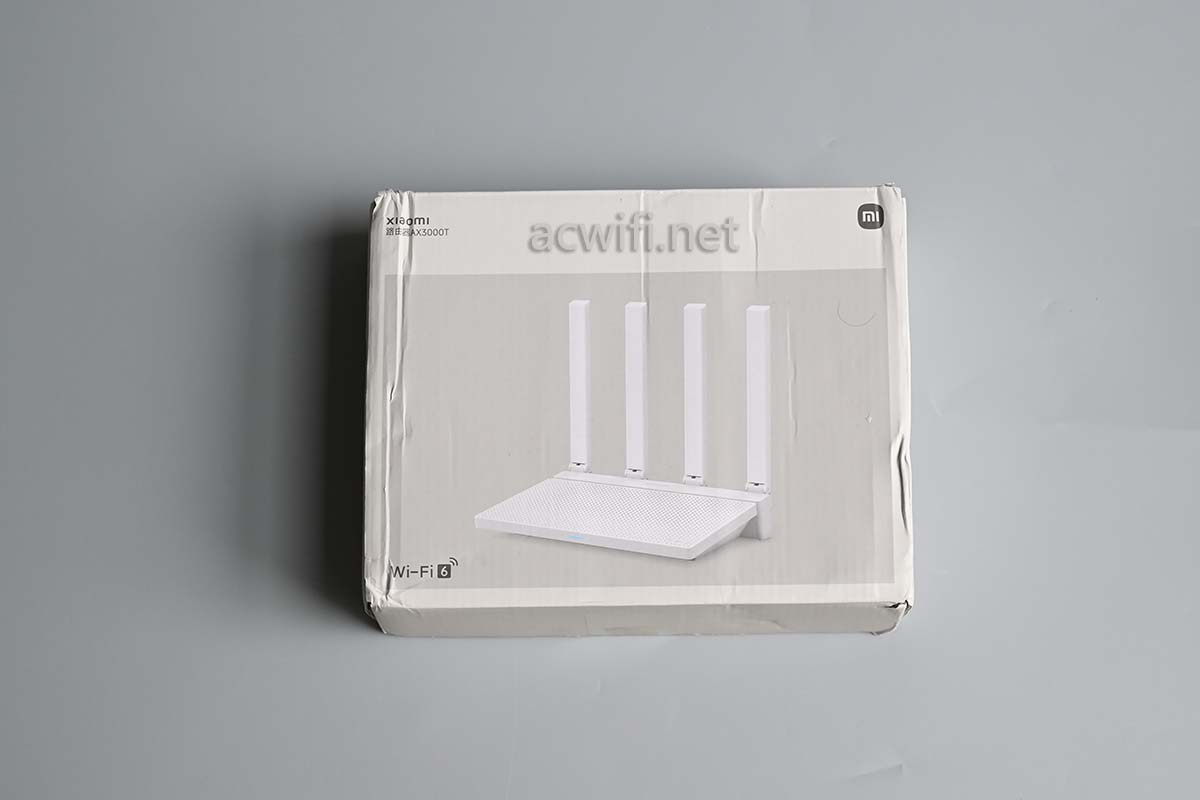
Let’s disassemble the router and examine what components Xiaomi chose for this new AX3000T revision.
I. Accessories, Exterior & Real-World Power Consumption
The package contains the router unit, a DC power adapter, and documentation:
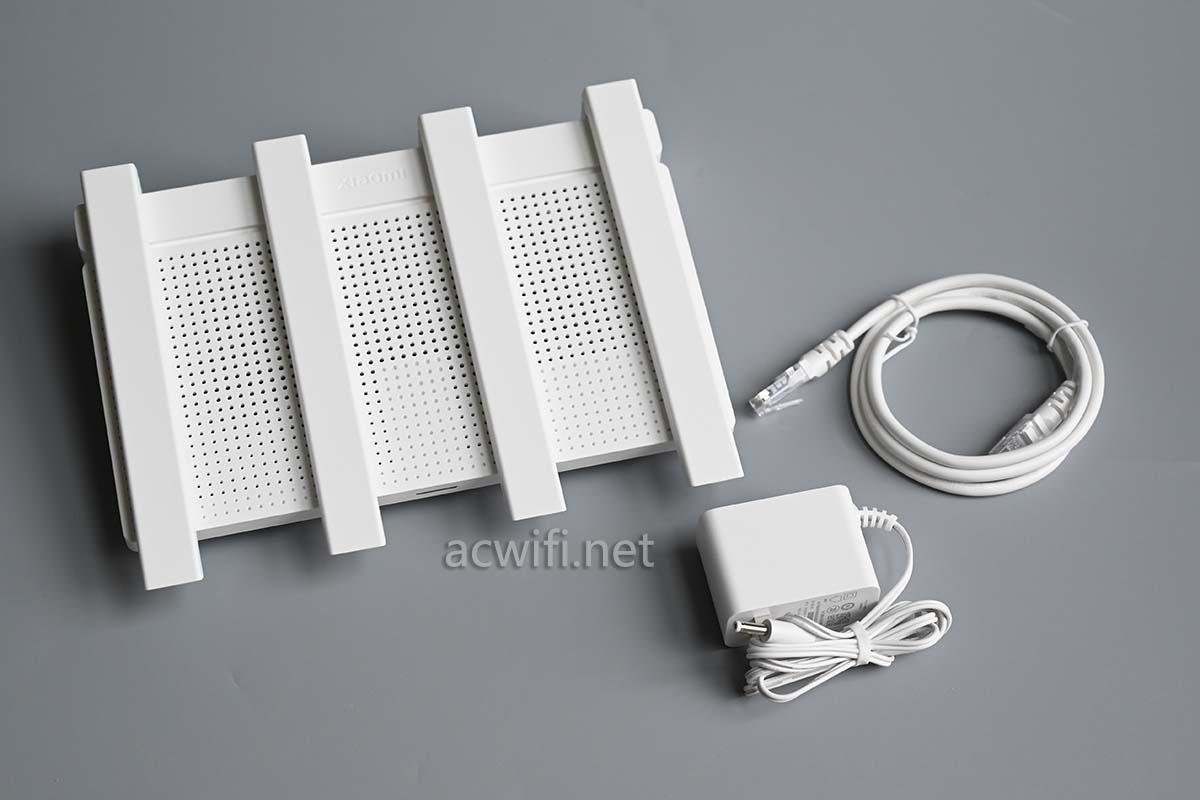
The net weight of the main body is 419 grams. The bundled power supply is rated at 12V / 1A:
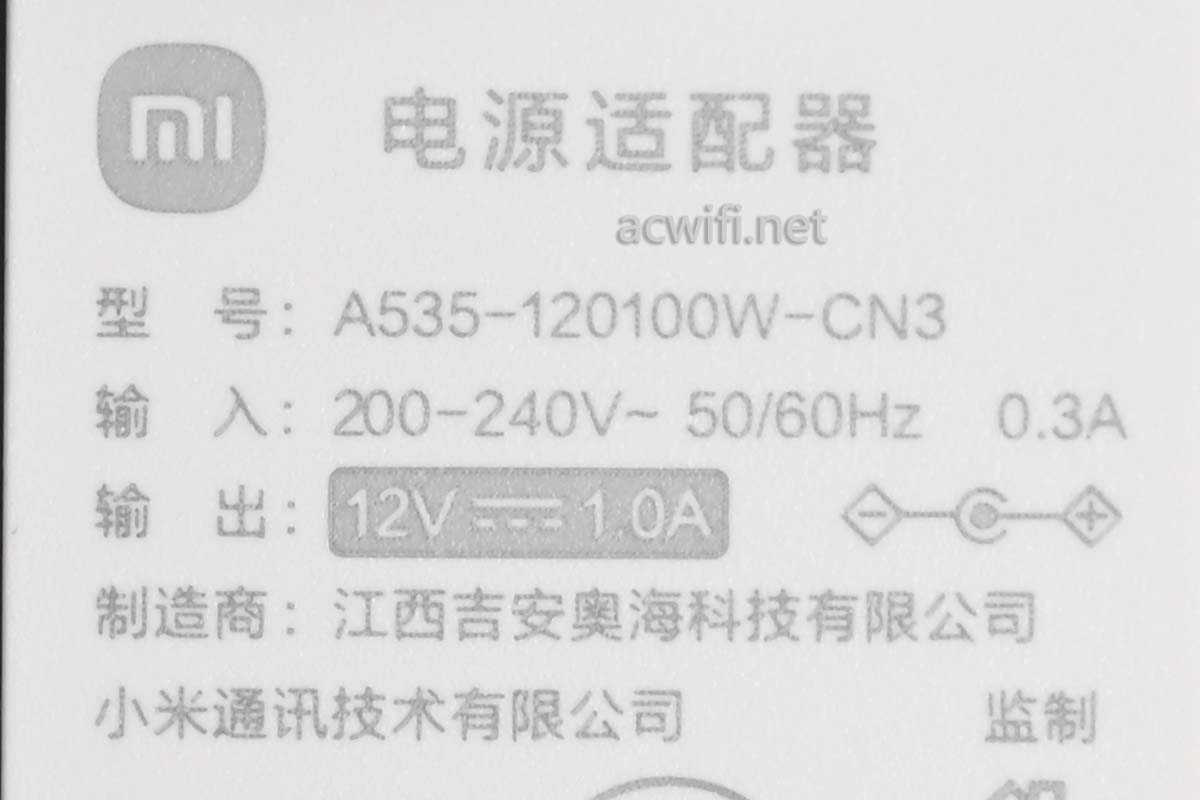
Testing power consumption with a digital power meter:
- Idle standby power draw (no Ethernet cables plugged in): Measures approximately 5.8W.
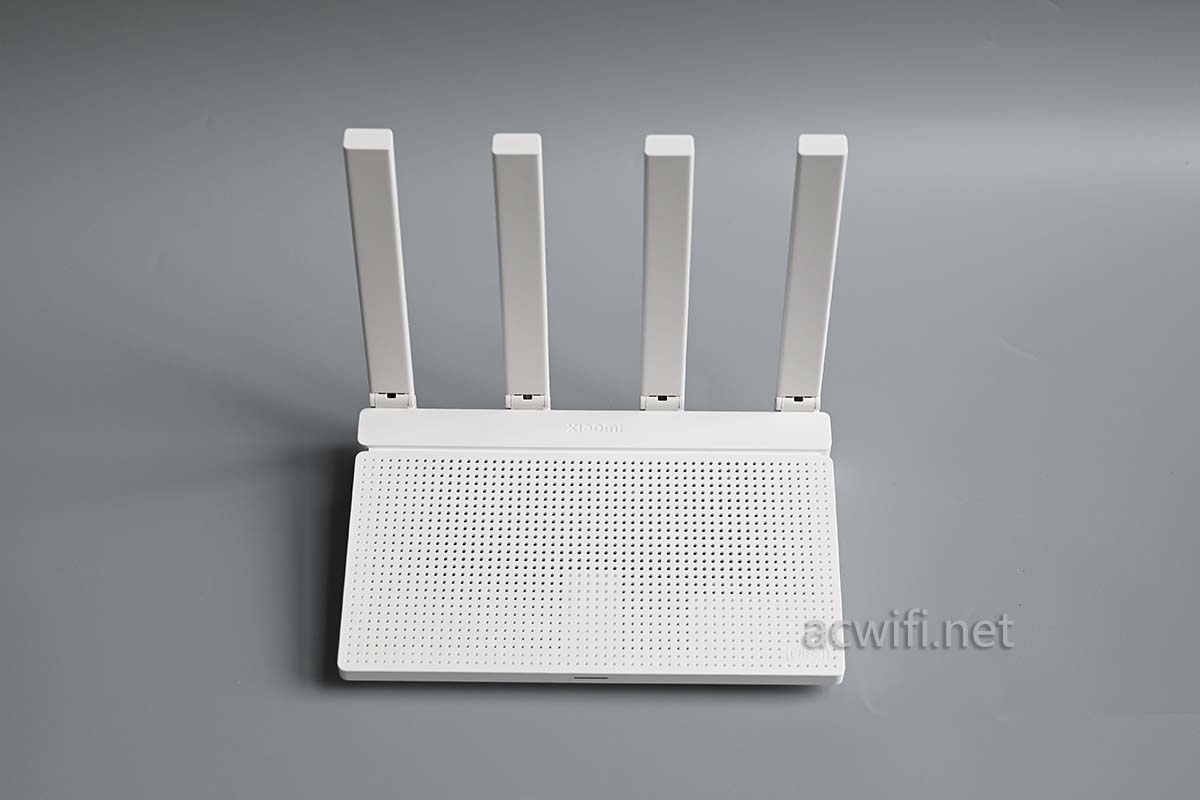
In terms of external industrial design, this Qualcomm revision retains the familiar enclosure of the original AX3000T: clean white aesthetic, vertical heat-ventilation ridges, and excellent passive airflow:
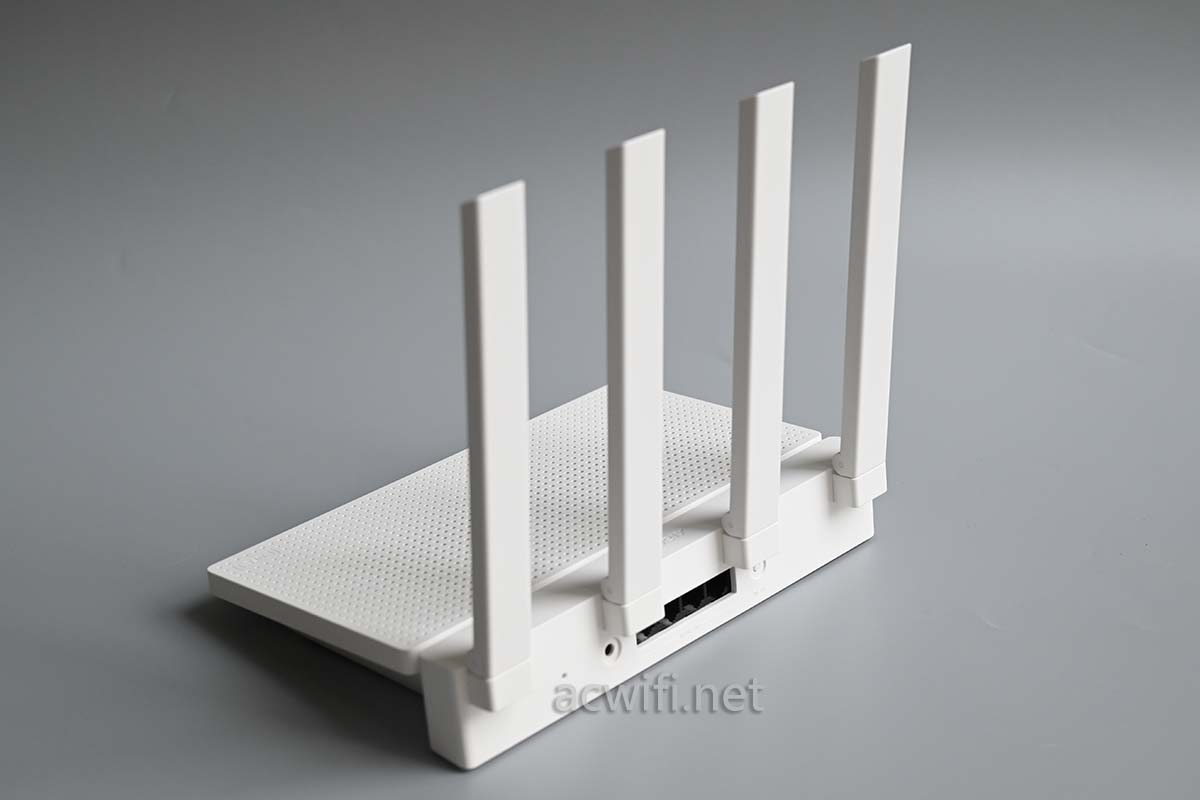
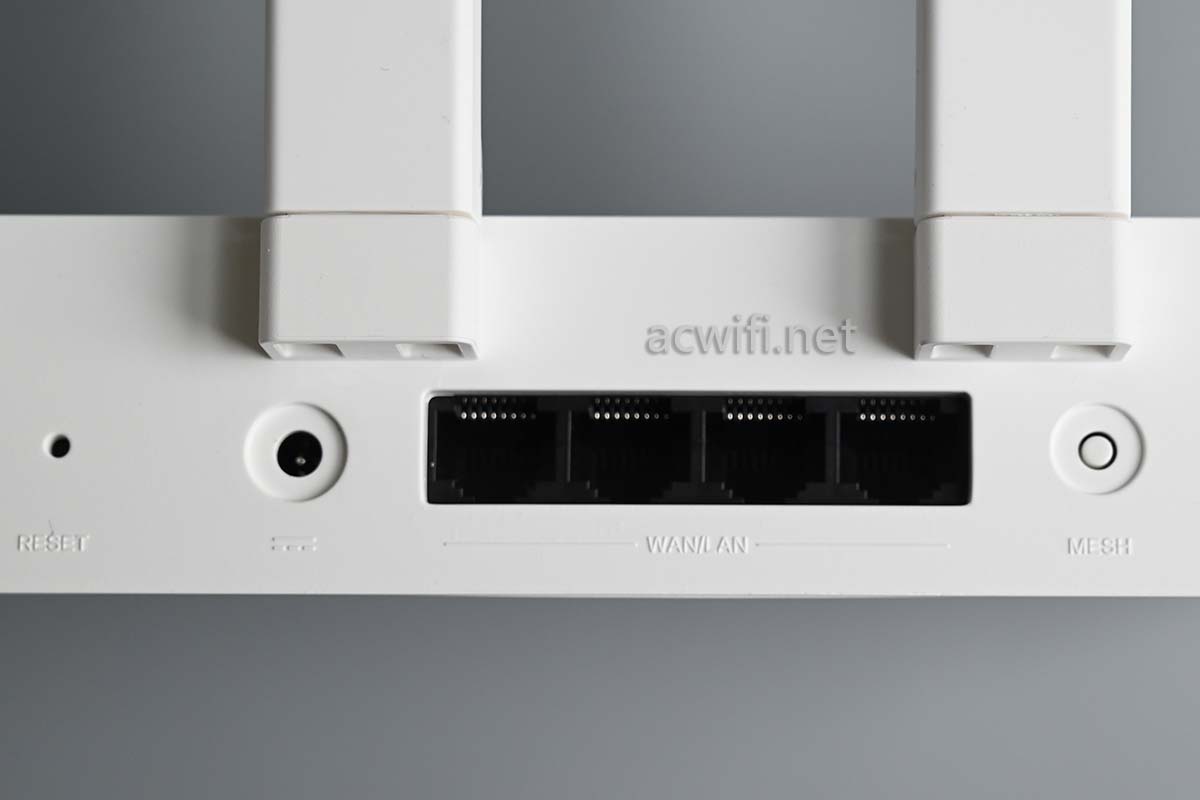
Rear connectivity includes 4 Gigabit Ethernet ports (featuring adaptive WAN/LAN auto-sensing), a DC barrel power jack, and a Reset pinhole:
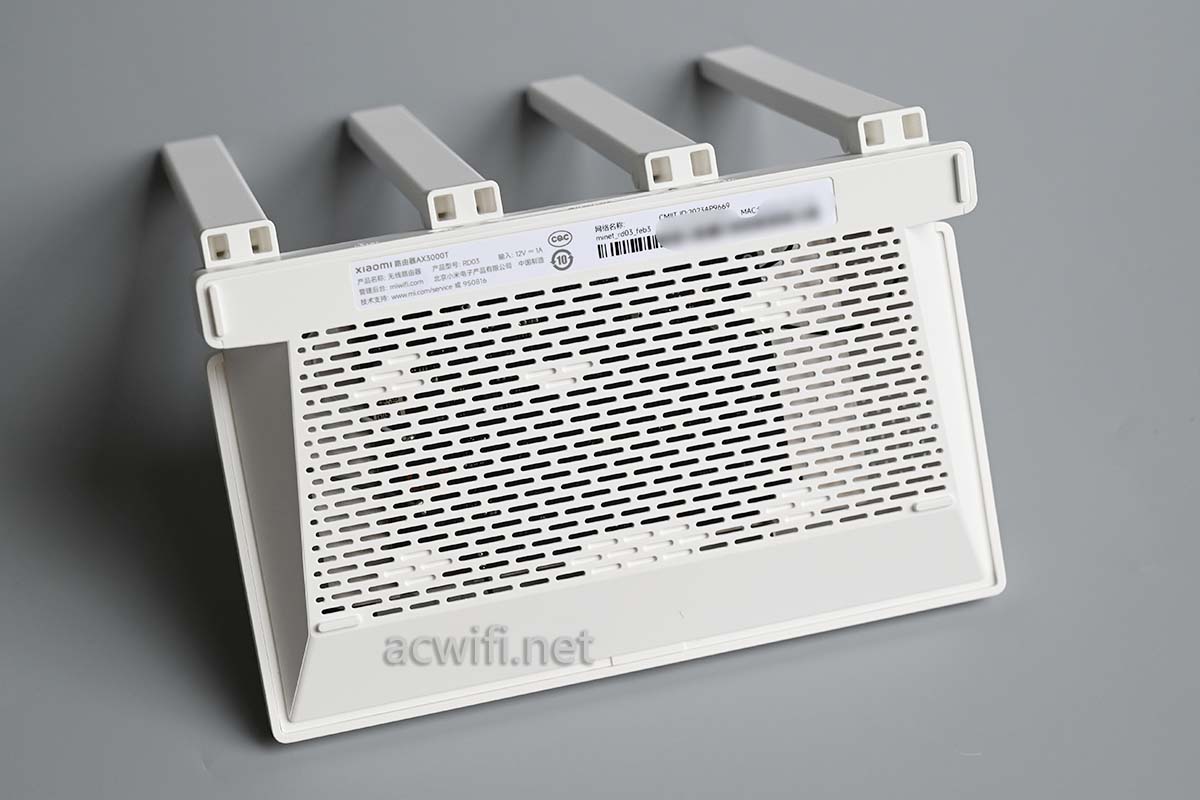
The bottom panel features an extensive matrix of cooling slats to assist convection cooling:
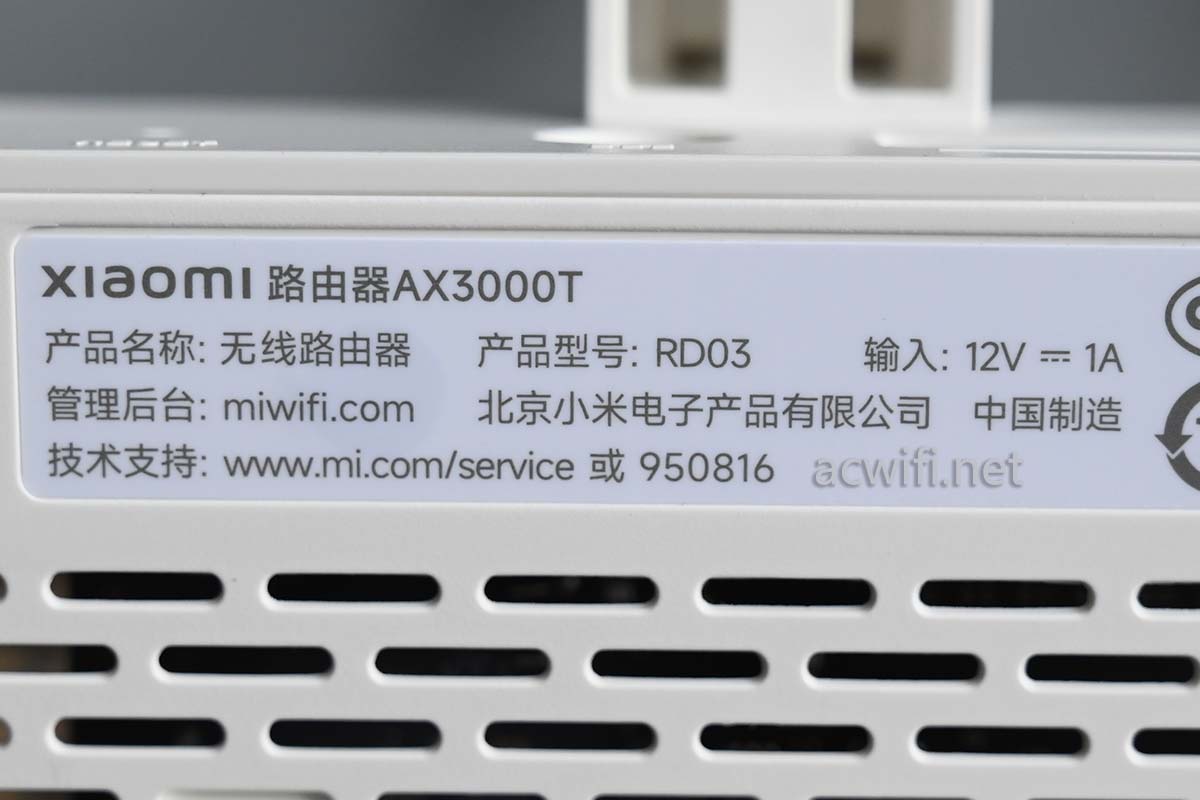
The product label on the underside shows that the model designation remains RD03:
II. Internal Teardown & Thermal Architecture
Opening the snap-fit plastic enclosure:
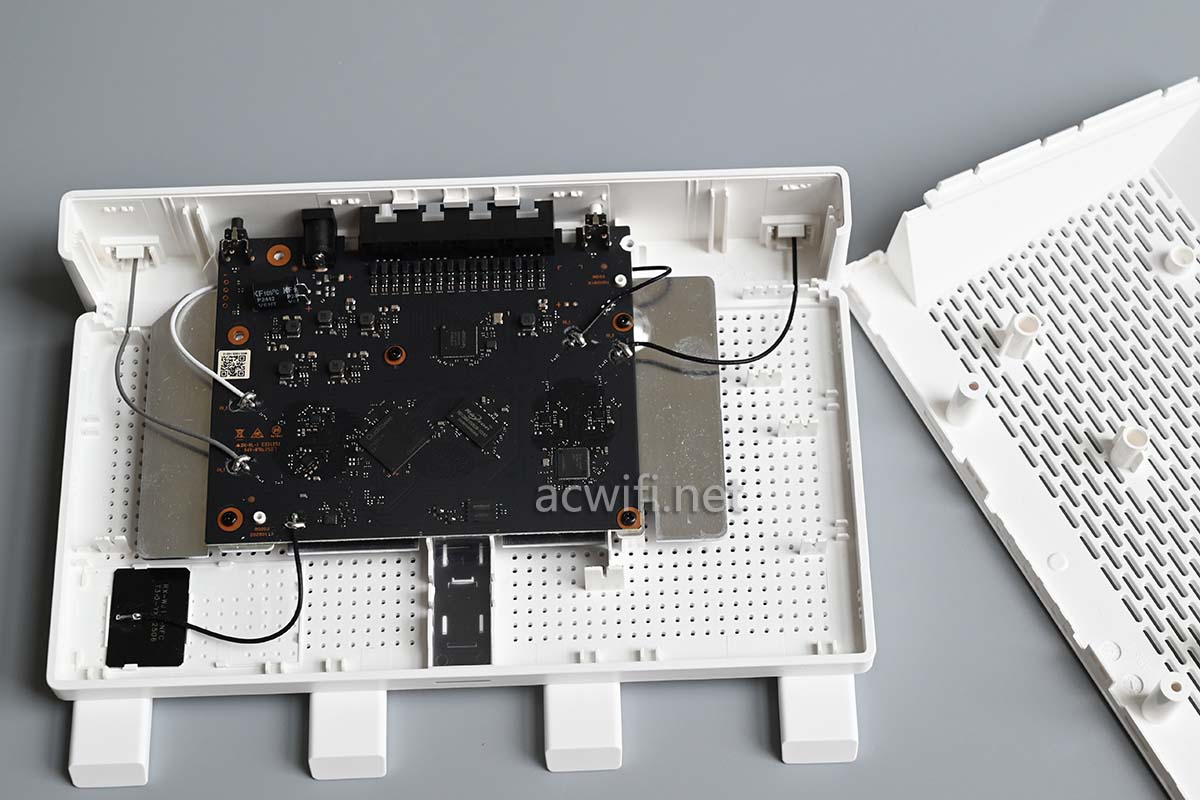
Immediately visible upon opening is a massive aluminum heatsink. This heatsink plate actually exceeds the footprint of the underlying printed circuit board (PCB):
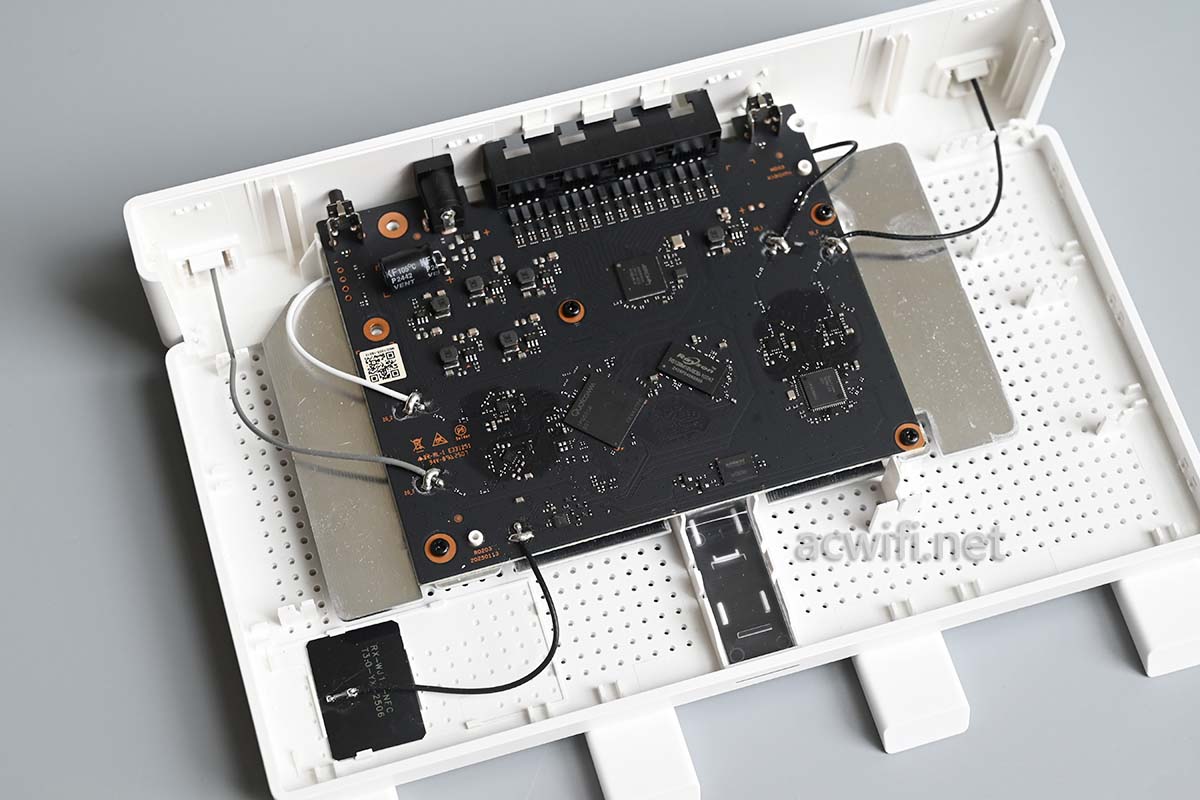
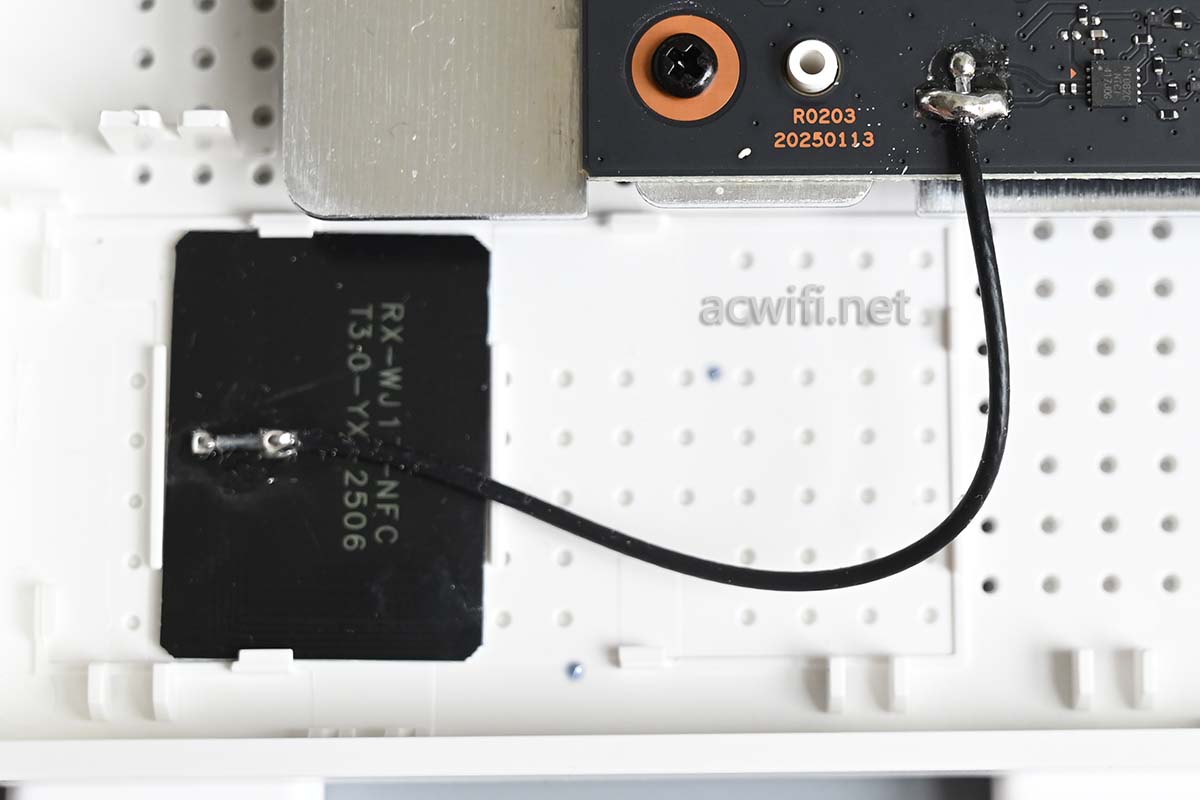
In one corner sits the flexible NFC antenna, which enables smartphone tap-to-connect Wi-Fi functionality:
Separating the aluminum heatsink from the main PCB:
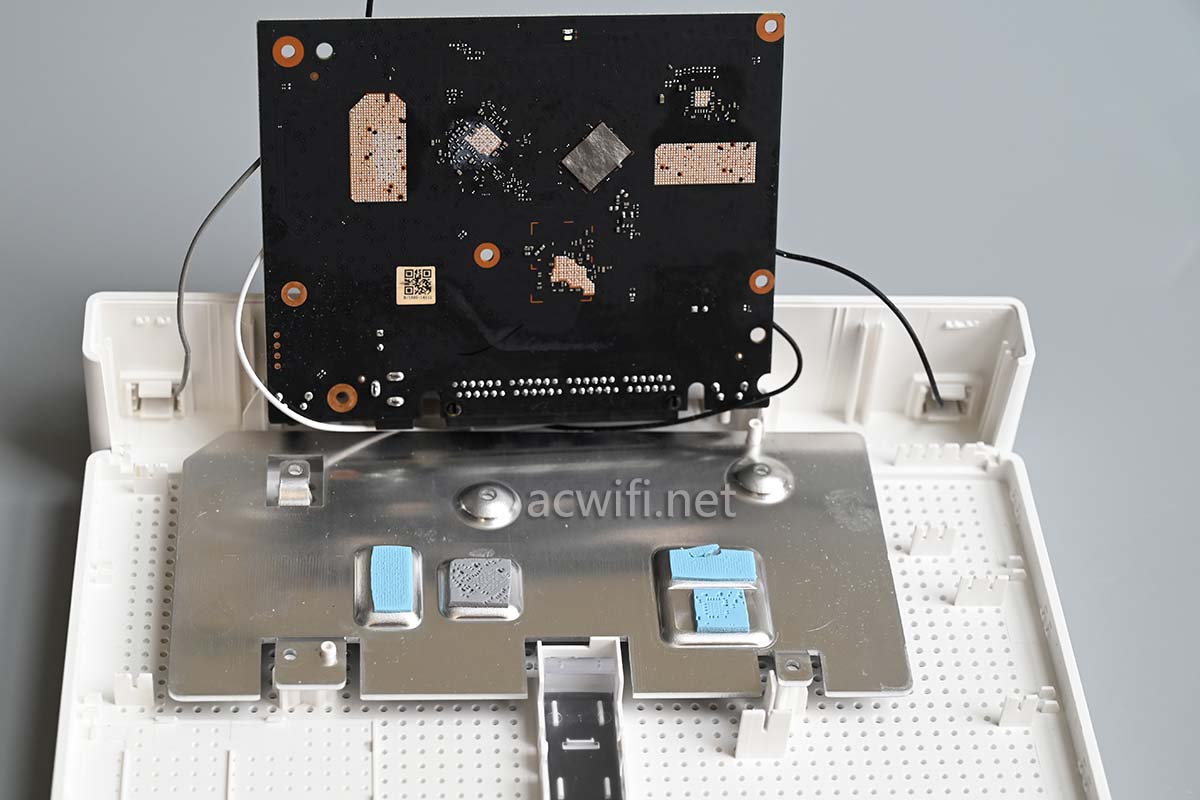
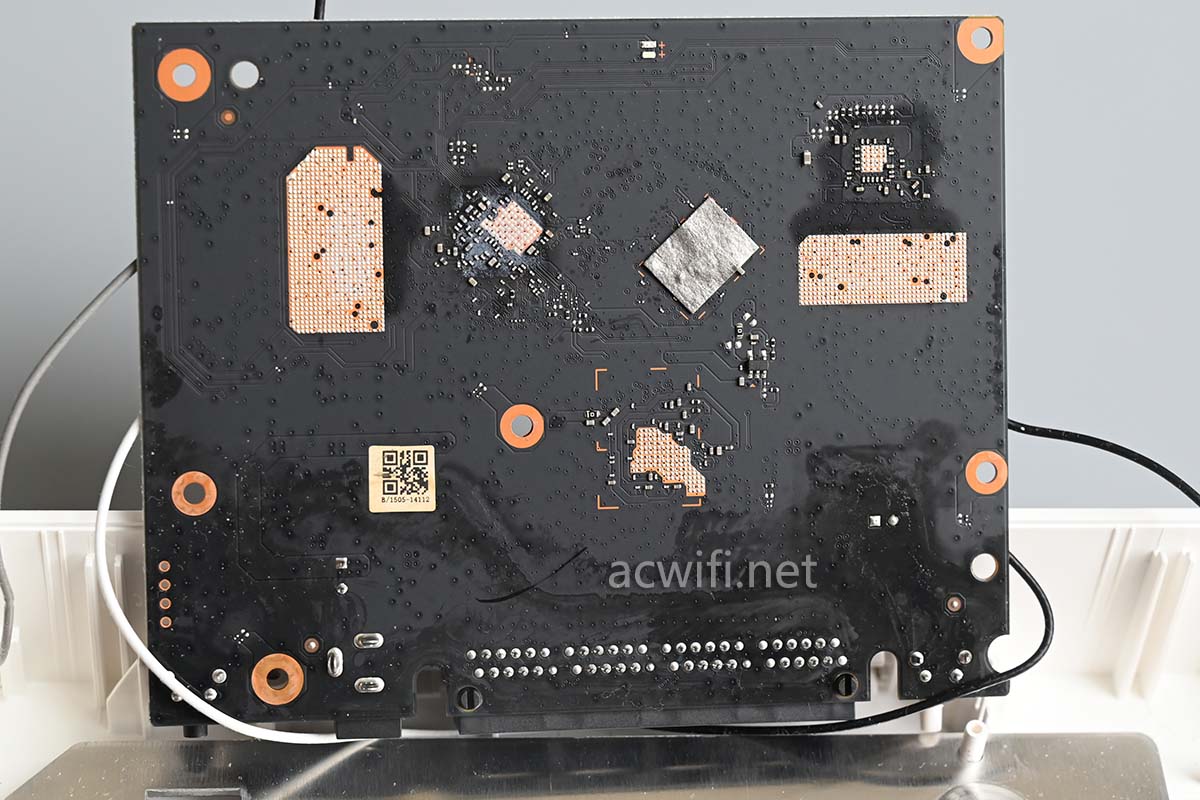
Examining the rear side of the PCB: It is completely clean of any active integrated circuits, containing only traces and passive surface-mount components:
Flipping over to the front side of the board:
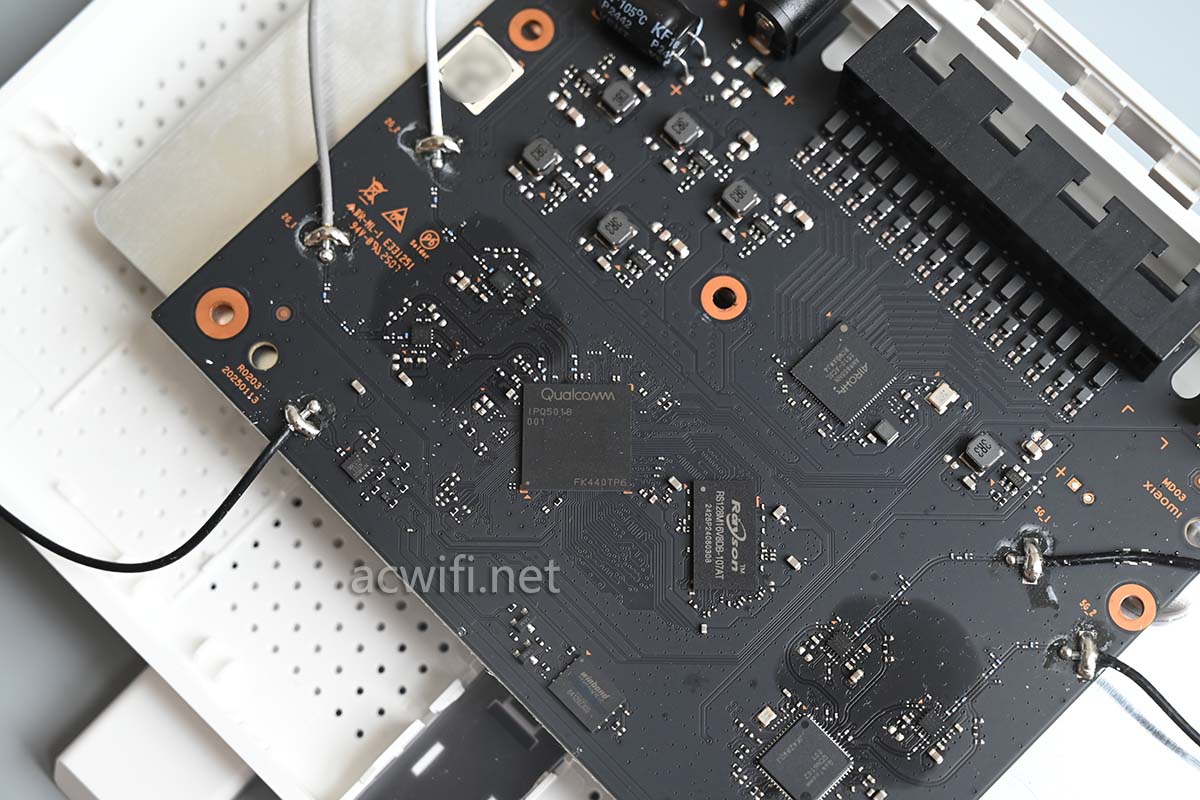
The most striking observation here is the complete absence of RF shielding cans (EMI shields). All major ICs and RF stages interface directly with the heatsink via thermal interface pads.
III. Component Analysis & Chipset Architecture
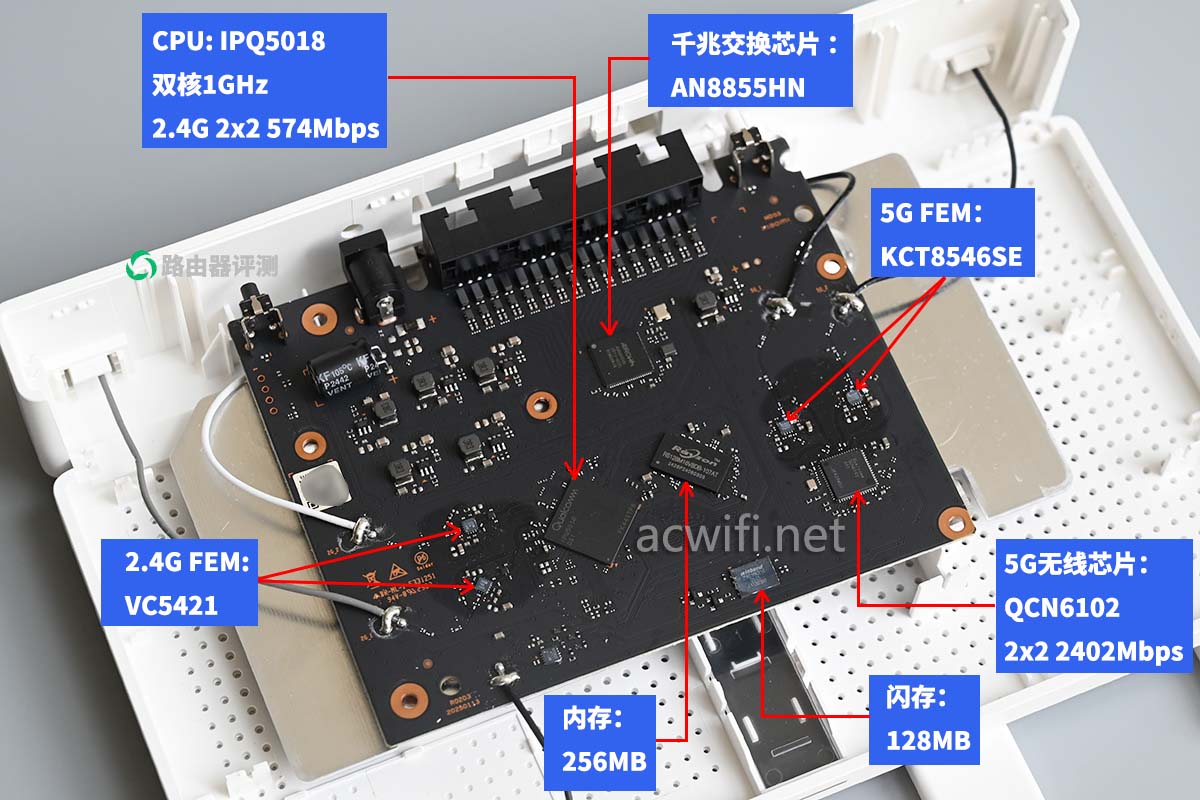
Below is a detailed breakdown of the silicon components powering the Qualcomm AX3000T:
1. Central Processor (CPU / SoC)
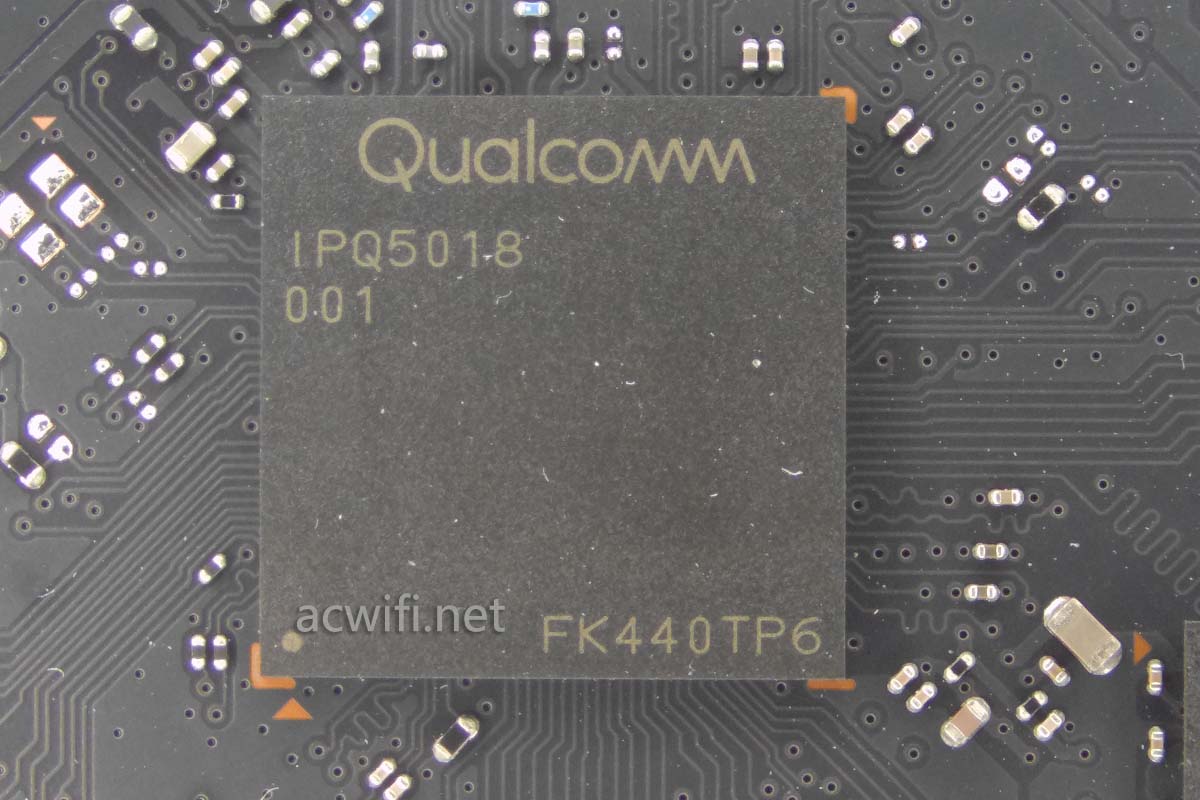
The heart of the router is the Qualcomm IPQ5018 SoC:
- Architecture: Dual-core ARM Cortex-A53 running at 1.0 GHz.
- Integrated 2.4GHz 802.11ax (Wi-Fi 6) radio with 2x2 MIMO support.
- Maximum 2.4GHz theoretical PHY rate of 574 Mbps (at 40MHz channel width and 1024-QAM).
2. 2.4GHz Front-End Modules (FEM)
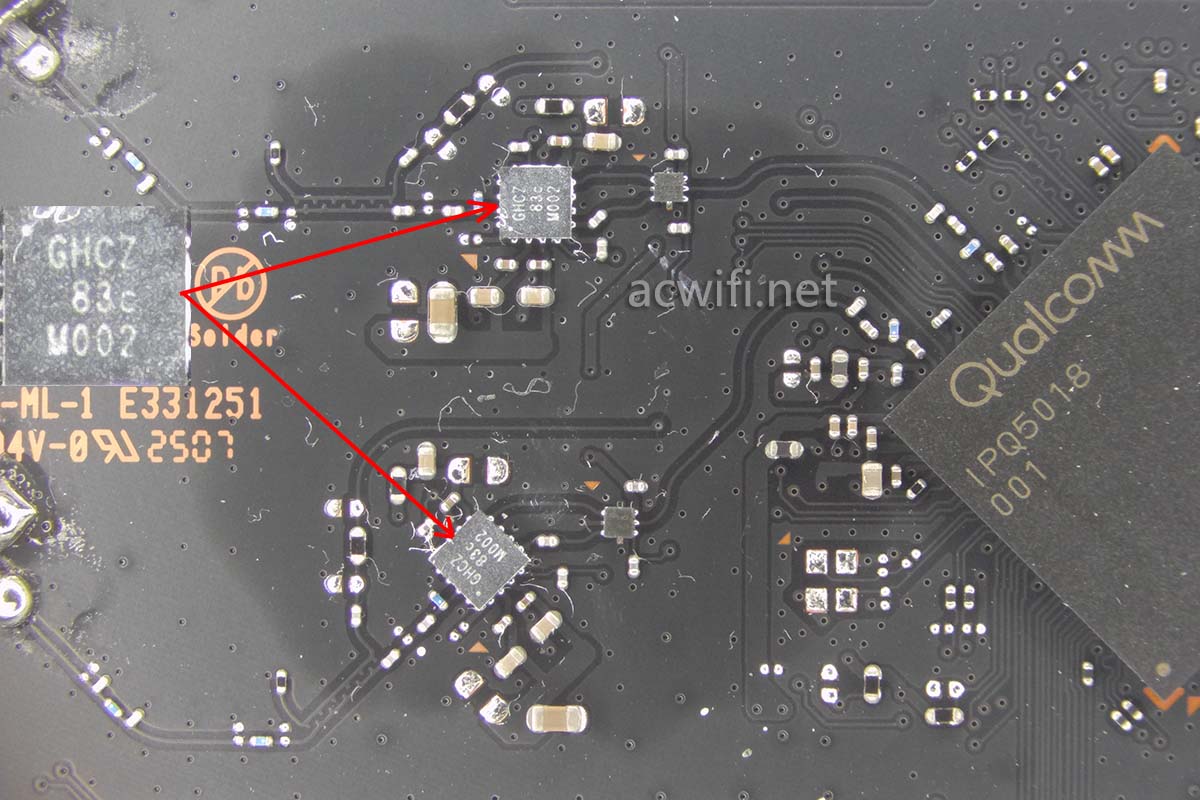
The 2.4GHz band is assisted by two external discrete FEM chips labeled VC5421-11 from Vanchip (唯捷创芯):
- Package size: Compact 2.5 × 2.5 mm form factor.
- Power amplifier (PA) specifications:
+18 dBm@ 802.11ax, HE40, MCS11, -43dB EVM+23.5 dBm@ 802.11n, HT20, MCS7, -30dB EVM
3. 5GHz Wi-Fi Radio & Discrete FEMs
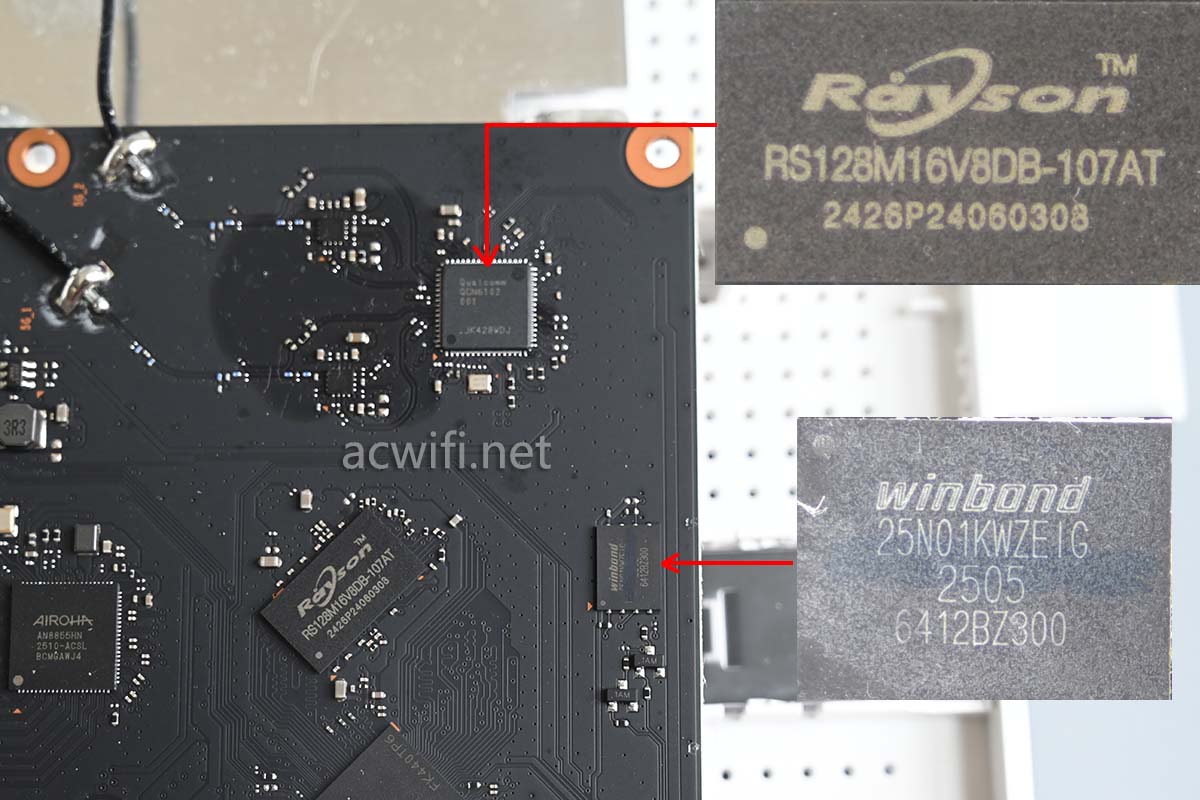
The 5GHz radio is driven by a discrete Qualcomm QCN6102 wireless chip:
- Wi-Fi 6 (802.11ax) compliant with 2x2 MIMO.
- Supports 160MHz channel width and 1024-QAM modulation for a maximum theoretical PHY rate of 2402 Mbps.
- Supports up to 128 connected wireless client stations and 8-user OFDMA concurrency.
The 5GHz path is augmented by two discrete 2.5 × 2.5 mm FEM chips: Kangxi Communication (GrandChip) KCT8546SE:
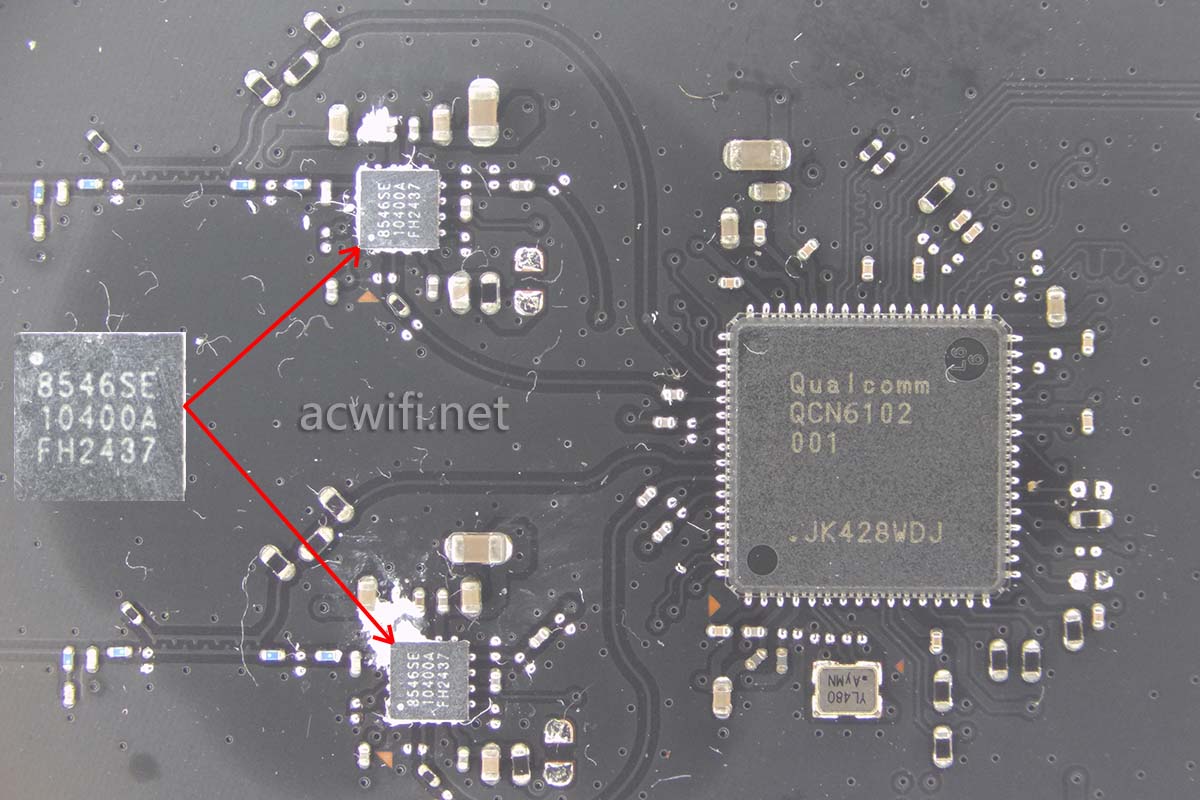
Output power parameters for the KCT8546SE power amplifier:
+17.5 dBm@ -43dB DEVM, HE160 / MCS11, 5V+19.5 dBm@ -40dB DEVM, HE160 / MCS11, 5V+22.5 dBm@ -35dB DEVM, VHT80 / MCS9, 5V+23.5 dBm@ -30dB DEVM, VHT20 / MCS7, 5V
4. Gigabit Ethernet Switch
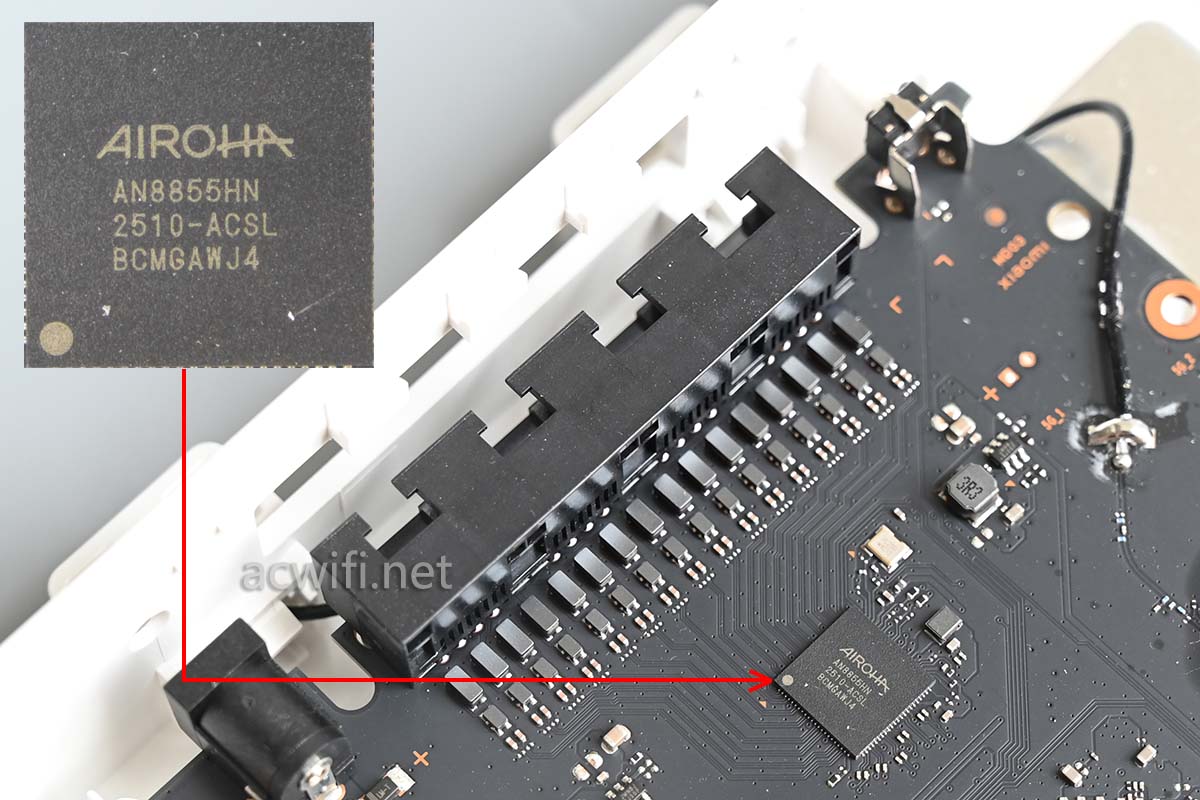
Wired switching duties are handled by an Airoha AN8855HN 5-port Gigabit switch IC:
5. RAM & Flash Memory
- RAM: ESMT RS128M16V8DB-107AT DDR3-1866 memory chip providing 256MB capacity.
- NAND Flash: Winbond W25N01KWZEIG SPI NAND Flash offering 128MB storage.
6. NFC Controller
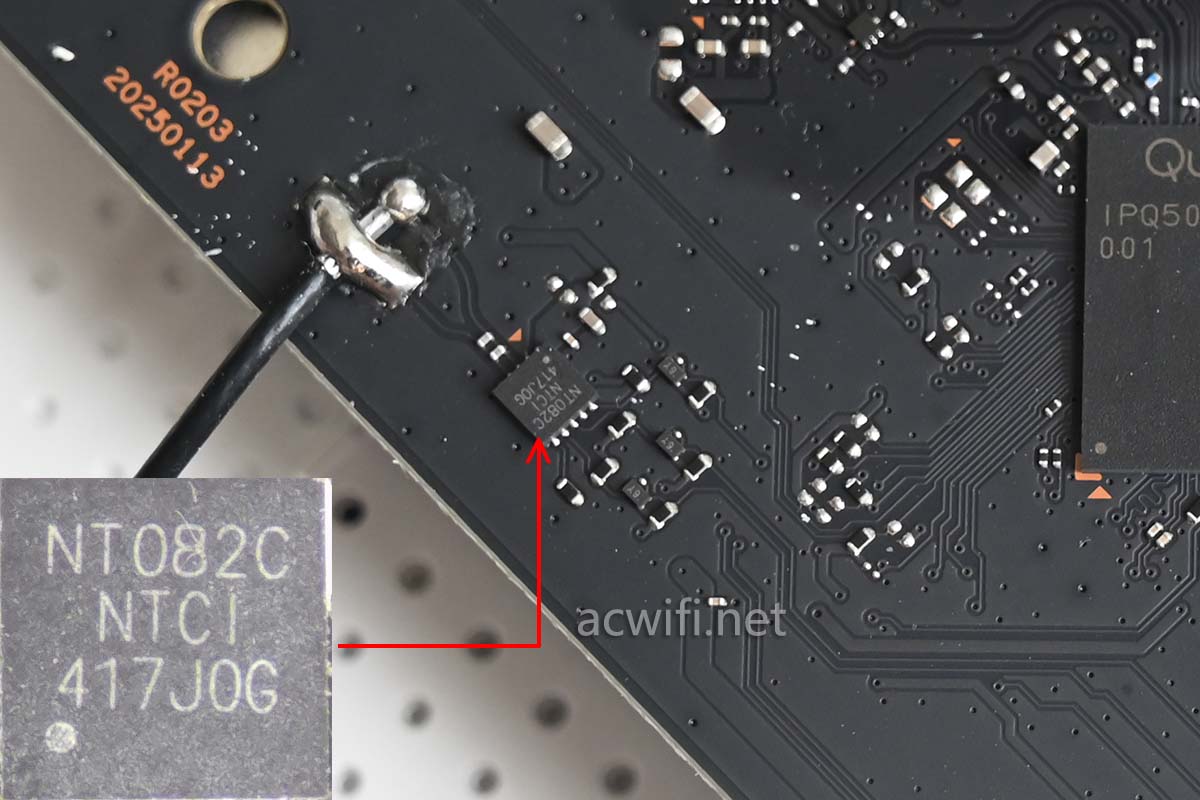
Near-field communication for rapid mobile Wi-Fi pairing is powered by a Fudan Microelectronics FM11NT082C NFC tag IC:
Component Summary Diagram
A complete overview mapping of all key silicon chips on the Qualcomm AX3000T board:
IV. Real-World Performance: Point K Speed Test & Roaming Verification
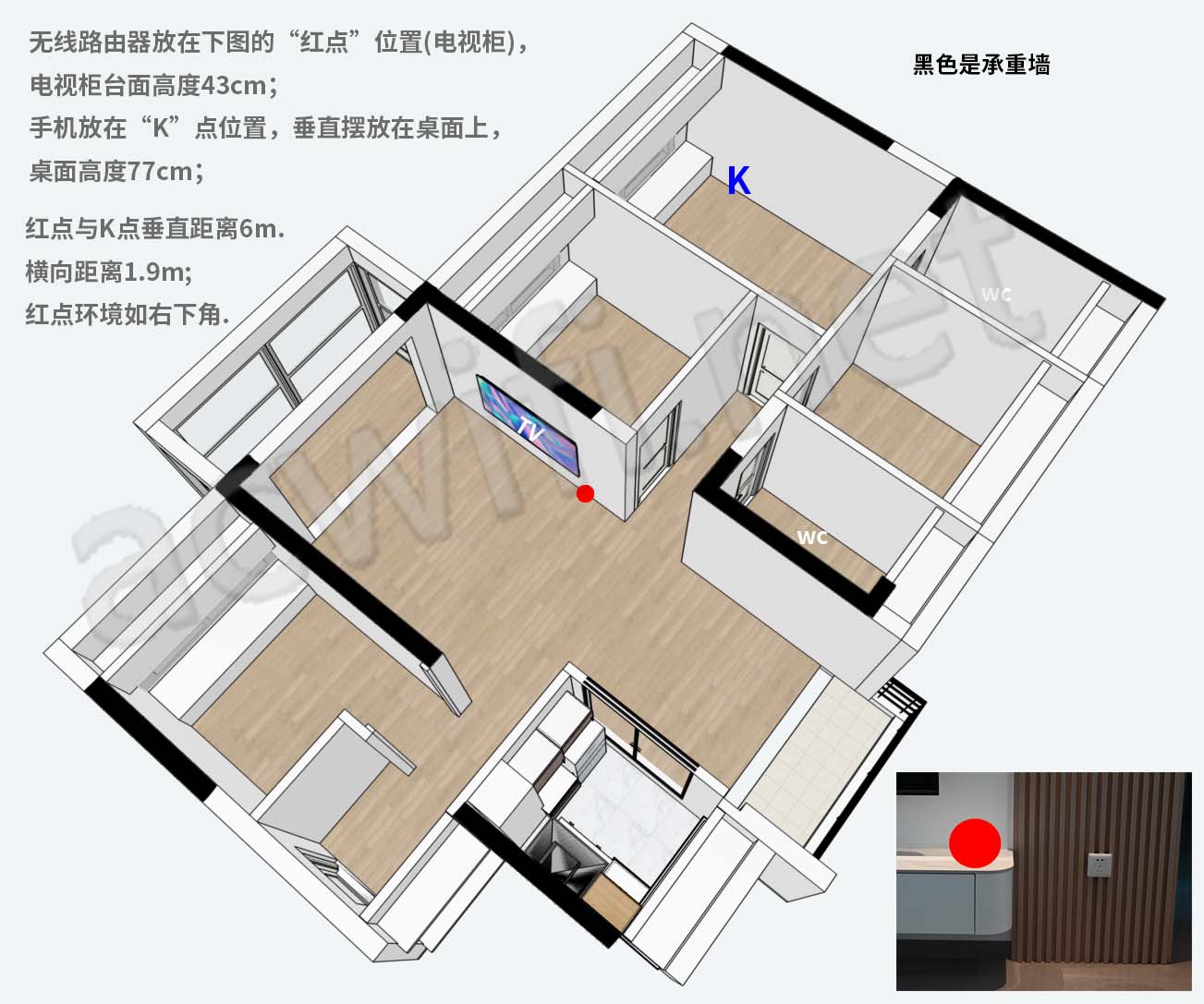
Throughput was evaluated through wall obstacles at Point K (a standard residential edge testing position across multiple walls):
Throughput benchmark results across four different smartphone clients at Point K:
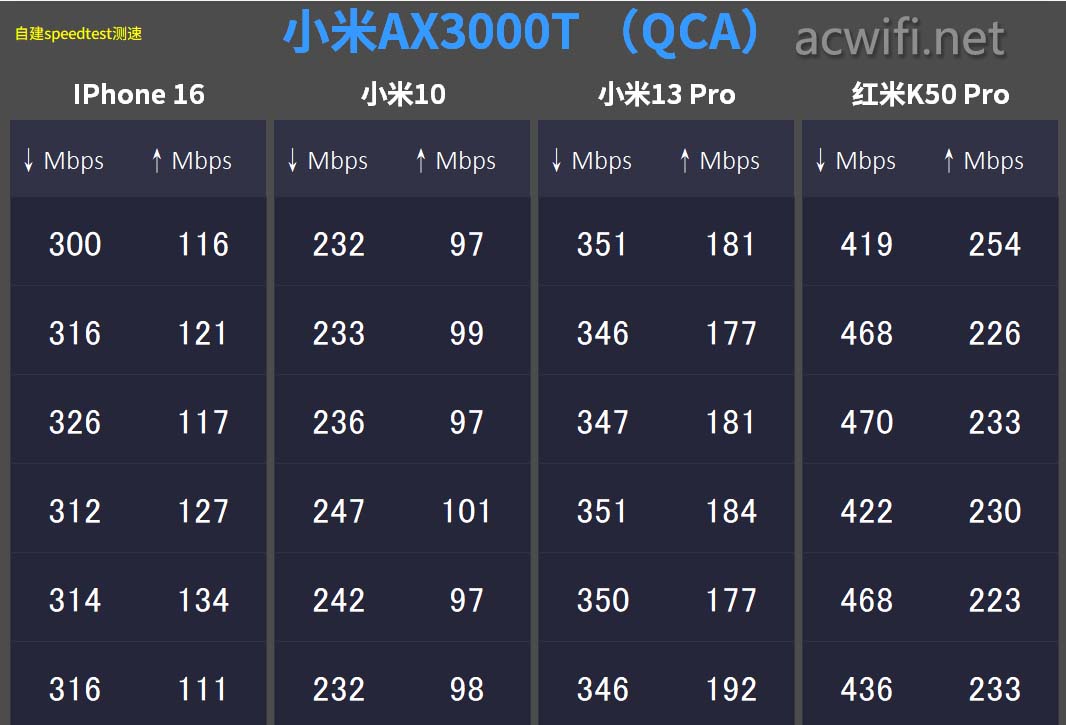
Compared with earlier benchmarks of the original MediaTek (MT7981B) version, real-world speeds at Point K for this Qualcomm unit are modestly lower.
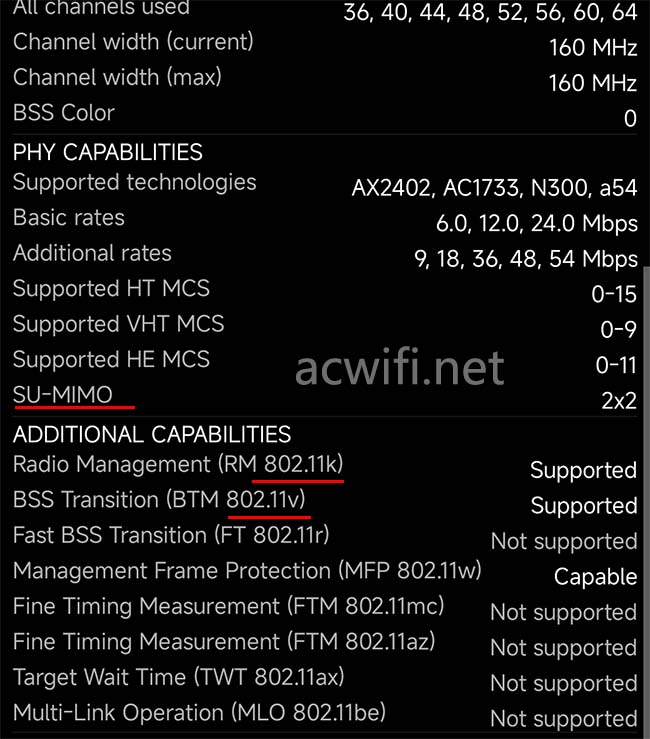
Regarding wireless roaming and protocol features:
- Fast roaming standards 802.11k (RRM) and 802.11v (BSS-TM) are enabled out-of-the-box.
- Beamforming is enabled by default.
- MU-MIMO is not supported by default, and there is no option to toggle it within the web management interface.
V. Summary & Buyer’s Guide
Key takeaways from tearing down the new Qualcomm-based Xiaomi AX3000T:
- Hardware Assessment: Switching from MediaTek Filogic 820 (dual-core 1.3GHz) to Qualcomm IPQ5018 (dual-core 1.0GHz) paired with QCN6102 maintains standard AX3000 specifications (574Mbps on 2.4G + 2402Mbps on 5G). Both bands retain discrete FEMs and NFC connectivity. Compared to the lower-tier Xiaomi AX3000E, this AX3000T still offers the advantage of dedicated 2.4G FEMs and NFC.
- Critical Firmware Warning: The official product page confirms that the MediaTek version is discontinued. For enthusiasts seeking to flash OpenWrt, U-Boot mod, or custom packages, be aware that this Qualcomm version currently cannot run OpenWrt or third-party firmware.

- Buying Recommendation: At a street price hovering above 120 CNY, if the price gap between the AX3000T and the newer Xiaomi BE3600 (2.5G edition) is relatively narrow, upgrading directly to the BE3600 with next-generation Wi-Fi 7 and 2.5GbE capability is strongly recommended.
Original Source: 小米AX3000T新版拆机高通版-路由器交流
Disassemble
- Viettel SDMC NR3053 Teardown: MediaTek Filogic 820 Platform & Hardware Analysis
- Xiaomi AX3000T New Revision Teardown: Qualcomm IPQ5018 Platform & No Custom ROM Support Reading
- Xiaomi BE3600 1.25A White Teardown: Internal Hardware & Cost-Down Analysis
- TP-LINK TL-7DR7299 Teardown: BE7200 Wi-Fi 7, Dual 10G Ports, Quad 2.5G Ports
- Inside the TP-LINK BE6500 7DR6560 Wi-Fi 7 Router